+918100303223
 contact@interiorwali.in
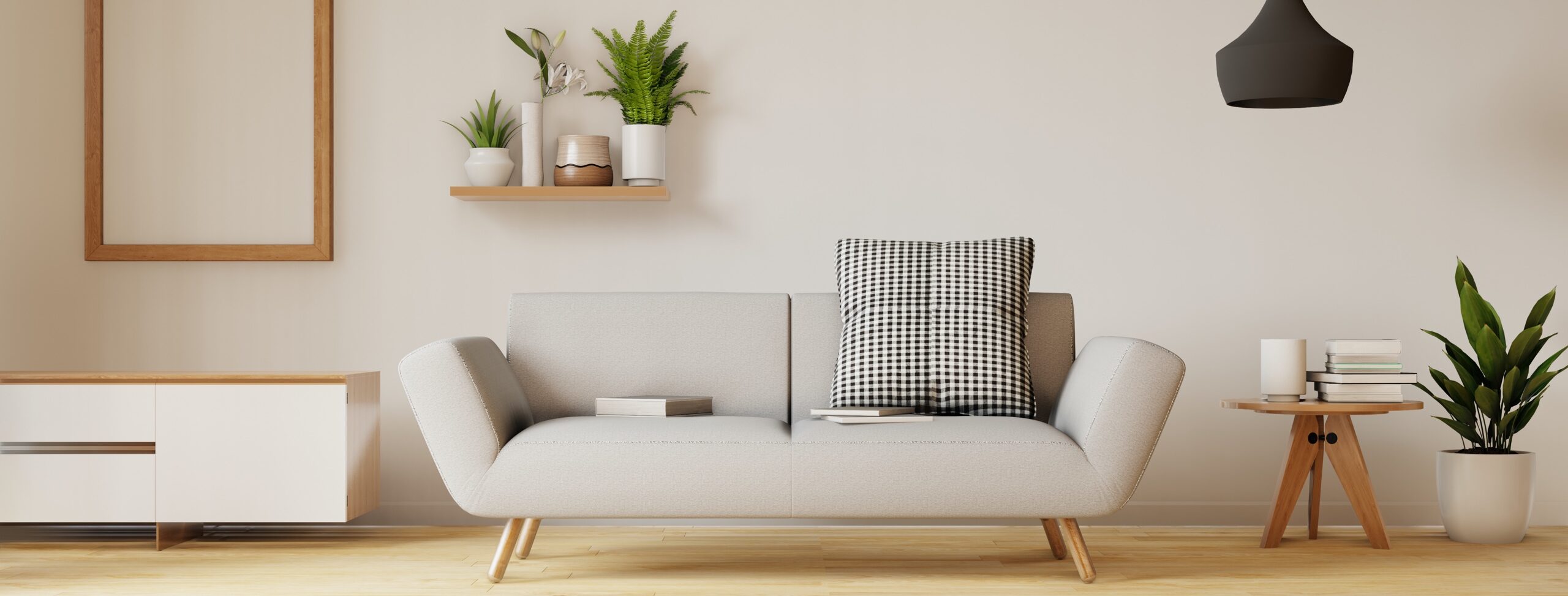
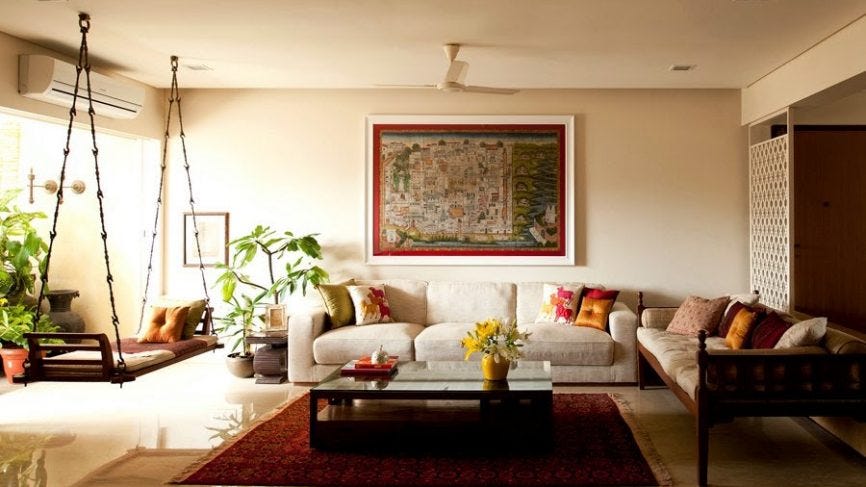
Vastu Shastra, the ancient Indian science of architecture and spatial harmony, has been guiding homes and buildings for centuries. While modern design has introduced minimalism, modular layouts, and smart technology into our lives, Vastu continues to hold an important place in Indian households. In Kolkata, a city known for its cultural richness and architectural diversity, families still want homes that feel rooted in tradition yet aligned with contemporary lifestyles. This is why skilled interior designers in Kolkata are redefining design strategies—adapting Vastu principles with a modern touch to create spaces that are functional, stylish, and harmonious.
Even in a fast-paced world where apartments are designed with compactness in mind, Vastu is far from outdated. Many homeowners believe that the way rooms are aligned, the colours used, and the direction of entrances can influence their well-being, peace of mind, and prosperity. Developers also recognise that Vastu-compliant projects often sell faster, as buyers see them as both culturally valuable and emotionally secure.
A 2024 survey on home preferences across Indian metros found that 72% of buyers still consider Vastu compliance a deciding factor when purchasing or renovating homes. In Kolkata, where tradition plays a central role in daily life, this percentage is even higher.
But the challenge lies in making Vastu work within the constraints of modern apartments and lifestyle needs. That’s where interior designers play a pivotal role—interpreting the age-old guidelines in ways that don’t compromise functionality or aesthetics.
Professional designers are no longer treating Vastu as rigid rules. Instead, they’re using it as a guiding philosophy and creatively integrating it into urban interiors.
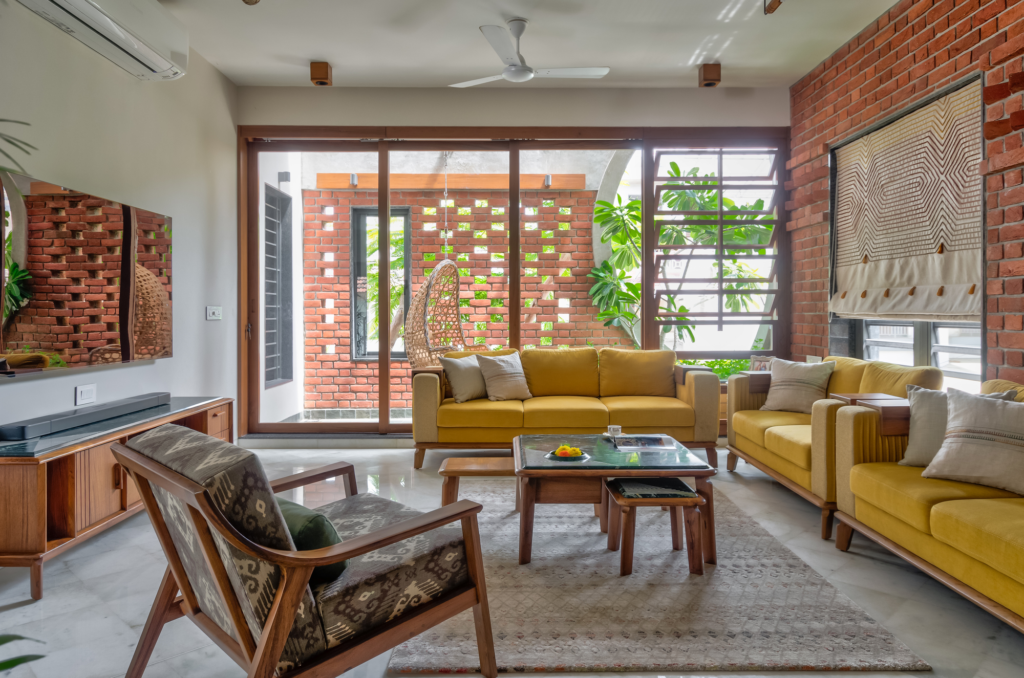
Vastu places strong emphasis on the main entrance, as it is considered the gateway of energy into the home. Designers ensure that entrances are welcoming, well-lit, and oriented as closely to recommended directions as possible. Modern touches include sleek door designs, minimalist foyers, and concealed storage—keeping the space both stylish and compliant.
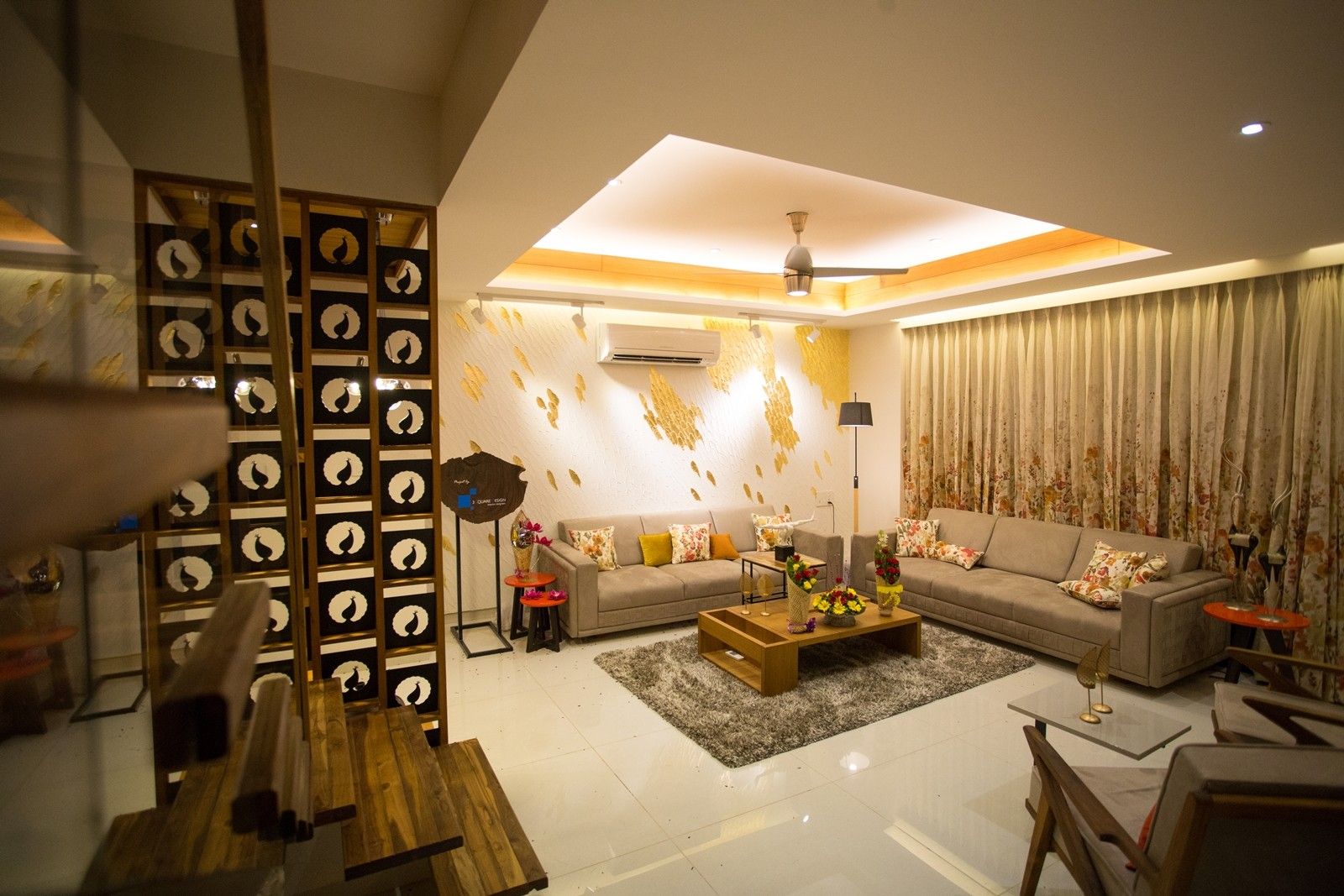
Living rooms should ideally face east or north, according to Vastu. In compact apartments where this isn’t always possible, designers adjust by enhancing natural light through large windows, sheer curtains, and reflective elements like mirrors. Furniture is arranged to promote interaction, with modular sofas and accent chairs placed in alignment with positive energy flow.
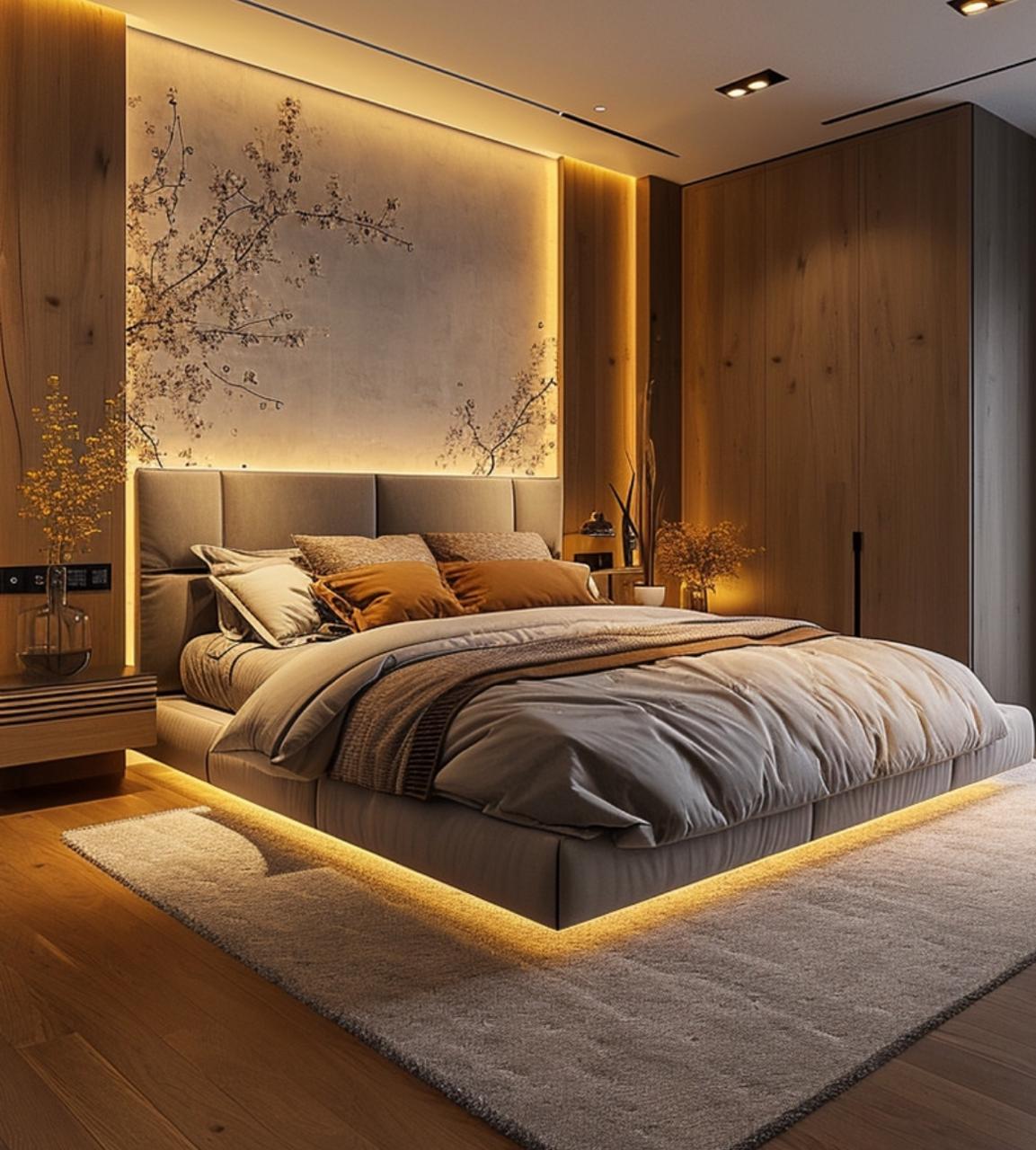
The master bedroom is often placed in the southwest corner to encourage stability. Designers adapt this by ensuring bed placements and headboards align with Vastu while adding modern elements like upholstered frames, concealed lighting, and neutral colour palettes. Even in small bedrooms, designers use modular wardrobes and wall-mounted shelves to maintain balance and function.
In Vastu, kitchens represent the fire element and are best located in the southeast. Designers modernise this principle by designing modular kitchens with efficient work triangles (sink, stove, refrigerator) while ensuring the stove and water source are placed correctly. Materials like granite countertops and smart storage solutions bring durability and elegance without straying from tradition.
As more people work and study from home, designers adapt Vastu guidelines for productivity. Study tables are placed facing east or north, and natural light is maximised with large windows and task lighting. Modern furniture ensures ergonomic comfort while keeping layouts aligned with cultural expectations.
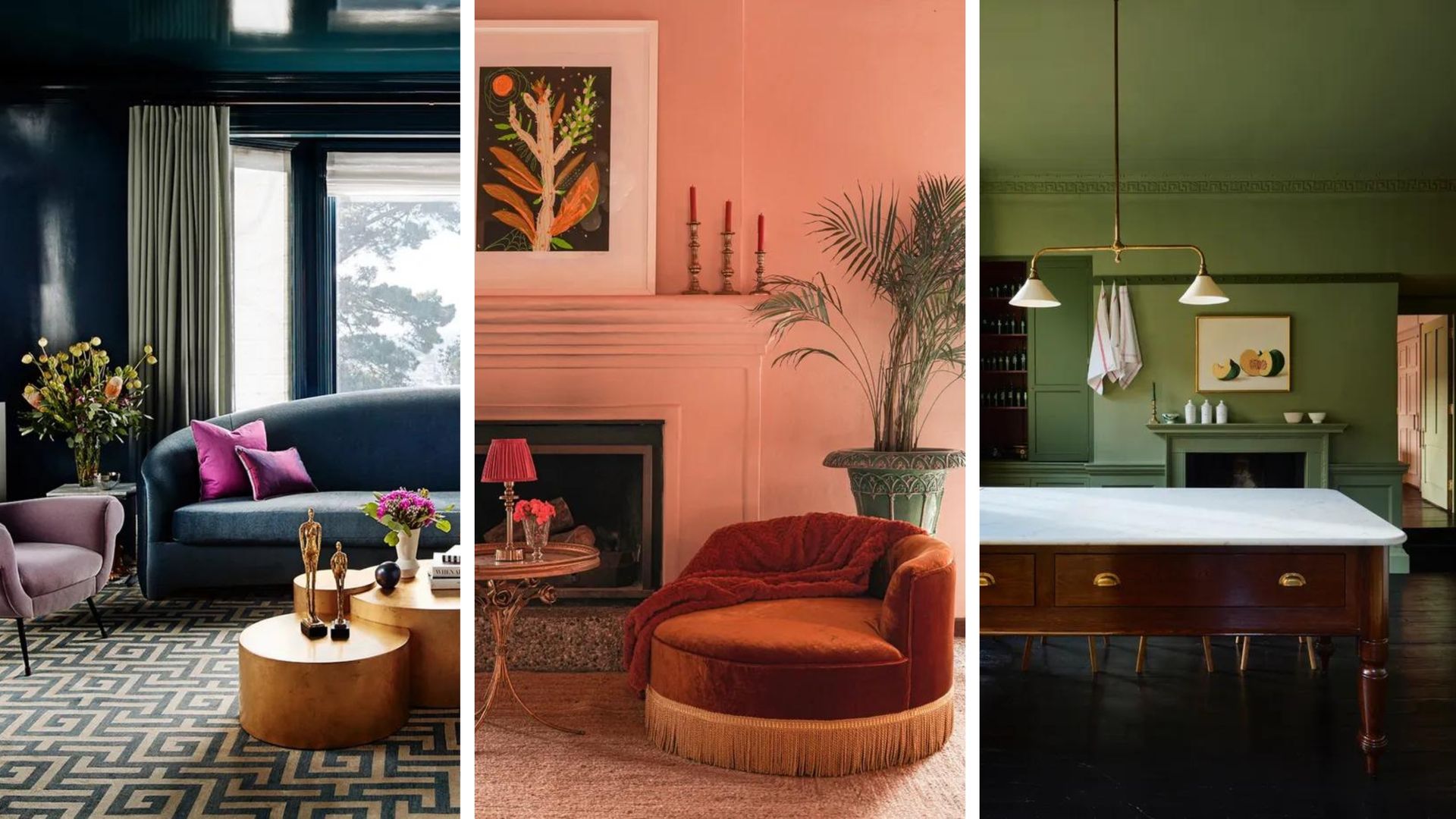
Vastu places importance on colours, as they influence mood and energy. Modern designers reinterpret this guidance in creative ways:
By choosing balanced palettes, designers ensure that homes feel modern without losing cultural depth.
The blend of natural and modern materials reflects both sustainability and style.
These findings show that Vastu is not in conflict with modernity—it is being reinvented for a new generation of homeowners.
To make this concept practical, let’s imagine how Vastu and modern design blend in Kolkata homes:
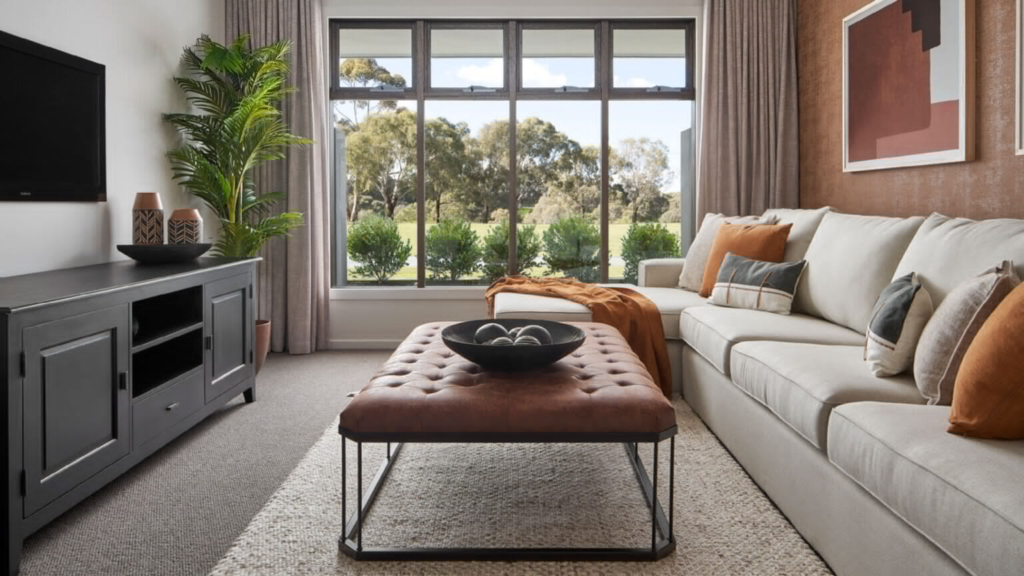
These examples prove that Vastu principles can be customised for any type of home without sacrificing comfort or elegance.
Kolkata homes are evolving, but their cultural core remains intact. Families want modern spaces that also respect traditions, and that’s where Vastu becomes a valuable design tool. By reinterpreting ancient principles for contemporary lifestyles, skilled interior designers in Kolkata are proving that tradition and modernity don’t have to be opposites—they can work together to create homes that are balanced, functional, and stylish. For today’s urban homeowner, this blend represents not just good design, but a way of life that feels both rooted and forward-looking.
Book free consultation with the best interior designers in Kolkata.